
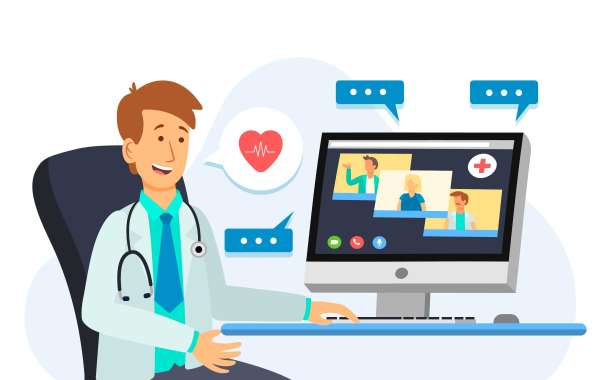
In 2025, the world of healthcare is more digital than ever. From video consultations to mobile health apps, technology is helping doctors and patients stay connected like never before. Right at the center of this shift is the healthcare virtual assistant, a smart and flexible solution for today’s growing medical needs. These assistants are not just replacing paperwork—they are improving care, communication, and overall patient satisfaction.
Telehealth: Healthcare Without Borders
Telehealth means delivering healthcare services through technology, like video calls and mobile apps. It breaks the barrier of location, allowing patients to talk to doctors without leaving their homes.
Why Virtual Medical Assistants Are a Game Changer
Virtual medical assistants (VMAs) are trained professionals who work remotely to support doctors, clinics, and hospitals. They schedule appointments, manage patient records, send reminders, and even handle billing.
Easy Access for Patients, Anytime
One of the biggest advantages of combining VMAs with telehealth is 24/7 access. Patients can get help after-hours, book appointments online, and receive timely support—even during holidays.
Cost-Effective for Clinics and Doctors
Hiring a full-time in-house assistant can be expensive. VMAs offer the same support without the overhead costs of office space, equipment, and employee benefits. This makes them a smart choice for private practices and small clinics.
Faster Response Times
When patients call or message a clinic, quick replies matter. VMAs can respond in real-time, help with basic questions, and forward important cases to the doctor. This reduces wait times and builds trust.
Smooth Appointment Scheduling
Scheduling is one of the most time-consuming tasks in any medical office. VMAs use cloud-based systems to organize appointments, avoid overlaps, and send reminders to both patients and doctors.
Accurate Documentation and Notes
Doctors need to focus on patient care, not typing notes. VMAs can update charts, enter patient histories, and help with electronic health records during or after telehealth consultations.
Managing Referrals and Follow-Ups
When patients need specialist care, referrals should be handled quickly. VMAs can manage the referral process, book follow-up appointments, and make sure patients complete their care plans.
Better Communication With Patients
VMAs help create a friendly, professional line of communication. They send reminders, follow up on missed calls, and explain clinic policies—making sure no patient feels left out or confused.
Handling Insurance and Billing
Billing mistakes can frustrate both doctors and patients. VMAs help process insurance claims, confirm coverage, and handle billing inquiries, reducing stress for everyone involved.
Reducing the Load of In-House Staff
On-site staff often handle too many tasks at once. By taking care of online, admin, and back-end duties, VMAs free up in-house teams to focus on direct patient care.
Supporting Mental Health and Chronic Care
Telehealth is widely used in mental health and chronic illness management. VMAs help schedule therapy sessions, monitor prescription renewals, and send reminders for regular check-ins.
Boosting Patient Engagement
Patients are more likely to stay involved in their care when communication is consistent. VMAs send educational materials, survey forms, and treatment updates to keep patients informed and motivated.
Fulfilling Medical Receptionist Responsibilities Remotely
Virtual assistants are trained to handle medical receptionist responsibilities such as answering phone calls, checking in patients virtually, and managing waitlists. They bring the front desk experience online without losing the human touch.
Maintaining HIPAA Compliance
Patient privacy is a top priority. VMAs follow HIPAA rules strictly, using secure systems for storing and sharing patient information during telehealth visits.
Multilingual Support for Diverse Patients
In the U.S., many patients speak different languages. VMAs can be hired based on language skills, making it easier to serve diverse populations with care and respect.
Quick Setup for New Clinics
Starting a new clinic can be overwhelming. VMAs make it easier by helping with paperwork, policy creation, patient onboarding, and setting up digital tools for telehealth services.
Reducing No-Shows and Cancellations
Missed appointments hurt both patient care and clinic income. VMAs send automated reminders and follow up with patients who forget to confirm or cancel, keeping schedules full.
Support for Home-Based Care
With more patients choosing home care after surgeries or treatments, VMAs can help manage medication reminders, at-home visit scheduling, and check-in calls for recovery updates.
Improving Work-Life Balance for Healthcare Providers
By handling the admin load, VMAs give doctors more time to rest, recharge, and spend with family. This balance helps reduce burnout and improves job satisfaction.
Adapting to Technological Tools
From Zoom calls to cloud record systems, VMAs are tech-savvy and quick to adapt. They help clinics make the most of telehealth platforms without slowing down.
Enhancing the Patient Experience
Patients want healthcare that is simple, quick, and friendly. VMAs deliver all three by offering personalized attention, efficient communication, and a smooth online journey.
Continuous Learning and Improvement
VMAs often attend training on the latest tools, trends, and rules in healthcare. This keeps them sharp and able to support telehealth in a modern and professional way.
Working Across Time Zones
For clinics with multiple branches or late-night services, VMAs can work in shifts from different time zones. This makes it easier to offer extended hours without tiring out the local team.
Growing Role in Pediatric and Geriatric Care
Children and elderly patients often need special care. VMAs help families manage schedules, refill medications, and coordinate telehealth visits with specialists.
Assisting in Lab and Test Coordination
VMAs also help in ordering lab tests, sharing results securely, and booking follow-up visits to discuss findings—making it all easier for both patients and providers.
Conclusion
As healthcare moves forward in 2025, the connection between telehealth and virtual assistants is stronger than ever. Together, they offer faster, more affordable, and more convenient care for everyone. Whether supporting doctors or comforting patients, the role of the healthcare virtual assistant is more valuable than ever—and here to stay.