
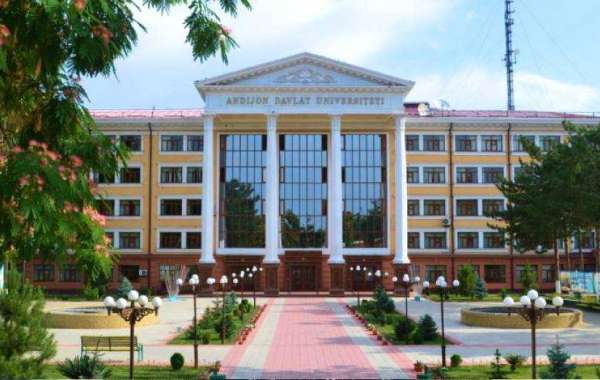
Pursuing an MBBS in Uzbekistan has become one of the most attractive choices for Indian students who are looking for affordable, globally recognized, and high-quality medical education abroad. Uzbekistan, with its rich history, safe environment, and rapidly developing education system, has emerged as a strong competitor to traditional MBBS destinations like Russia, China, and Bangladesh.
In this guide, we will explore everything you need to know before choosing Uzbekistan for your MBBS journey, including course duration, hostel facilities, and the actual living costs that students need to plan for. By the end, you’ll have a clear picture of why Uzbekistan is a practical and value-driven destination for aspiring doctors.
Why Choose Uzbekistan for MBBS?
Before diving into details, it’s important to understand why Uzbekistan has gained popularity among Indian students:
Affordable Tuition Fees: Medical education in Uzbekistan is budget-friendly compared to Indian private medical colleges.
Globally Recognized Universities: Many universities are listed in the World Directory of Medical Schools (WDOMS), recognized by NMC, WHO, and other international bodies.
English-Medium Programs: Most universities offer MBBS in English, making it easier for Indian students.
Safe and Friendly Environment: Uzbekistan is known for its cultural warmth and safe living conditions.
Proximity to India: With shorter travel distances and affordable flights, Uzbekistan is convenient for Indian families.
Duration of MBBS in Uzbekistan
One of the first things students check before applying is the course duration. In Uzbekistan, the MBBS program is structured to align with international medical education standards.
Total Course Duration: 6 years
5 years of academic study covering theoretical and practical medical education.
1 year of mandatory internship/clinical rotation, where students gain hands-on experience in affiliated hospitals.
Course Structure Overview
Pre-Clinical Phase (Year 1–2):
Subjects like Anatomy, Physiology, Biochemistry, Histology, and General Medicine are introduced.
Para-Clinical Phase (Year 3–4):
Subjects such as Pharmacology, Pathology, Microbiology, and Community Medicine are covered.
Clinical Phase (Year 5):
Specialization subjects like Surgery, Pediatrics, Gynecology, Orthopedics, Cardiology, and Psychiatry.
Internship (Year 6):
Practical training in hospitals affiliated with the university.