Packaging has always been about more than just wrapping a product—it’s about protecting, preserving, and promoting it. However, as technology continues to redefine industries, packaging is no longer passive. The rise of smart packaging marks a significant leap from traditional containers to intelligent, interactive, and connected solutions. These innovations are reshaping how products are stored, tracked, marketed, and even consumed.
The global smart packaging market is expanding rapidly, driven by advancements in materials science, the Internet of Things (IoT), sensors, and data analytics. From food safety and pharmaceuticals to e-commerce and logistics, smart packaging is unlocking new possibilities for both businesses and consumers. As industries strive for sustainability, transparency, and real-time data, smart packaging is emerging as a powerful enabler of digital transformation in the physical world.
Click Here to Download a Free Sample Report
Understanding Smart Packaging: Beyond the Box
Smart packaging integrates functional technologies—such as sensors, indicators, RFID tags, QR codes, and NFC chips—into traditional packaging materials. The goal is to add intelligence, interactivity, and traceability to packages. Broadly, smart packaging can be categorized into two main types:
- Active Packaging – Designed to extend product shelf life and maintain quality by controlling internal conditions like oxygen, moisture, and microbial growth. Common examples include oxygen scavengers, antimicrobial films, and moisture absorbers used in food and pharmaceuticals.
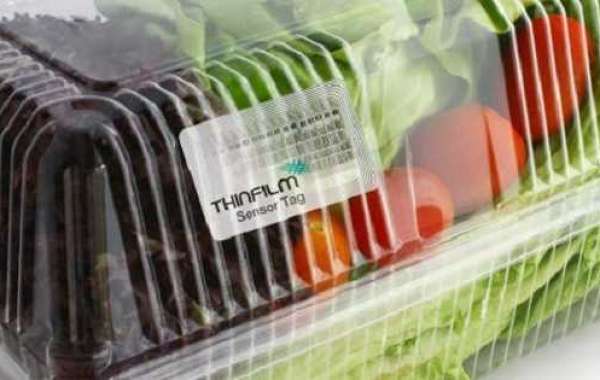
- Intelligent Packaging – Equipped with digital or sensing elements that monitor, communicate, or track product information throughout its lifecycle. This includes temperature indicators, freshness sensors, NFC-enabled labels, and blockchain-based traceability systems.
Together, these technologies transform packaging into a source of data and engagement, providing real-time insights into product integrity, authenticity, and customer behavior.
Market Overview and Growth Dynamics
The smart packaging market has evolved from niche applications to mainstream adoption across industries. Factors such as rising consumer awareness, global supply chain complexity, and the need for regulatory compliance are driving this momentum.
According to industry analysts, the global smart packaging market is projected to grow at a CAGR of over 8–10% between 2025 and 2033, reaching a valuation of over USD 60 billion by the end of the forecast period. This growth is powered by several underlying trends:
- Consumer demand for transparency about product origin, ingredients, and shelf life.
- Supply chain digitalization, enabling real-time tracking and anti-counterfeiting measures.
- Advancements in printed electronics and IoT integration, making smart solutions more cost-effective.
- Government regulations promoting sustainable and safe packaging practices.
- E-commerce expansion, necessitating intelligent logistics and product verification solutions.
Key Drivers Fueling Market Growth
- Rising Focus on Food Safety and Quality Assurance
In the food and beverage industry, freshness and safety are top priorities. Smart packaging solutions with time-temperature indicators (TTIs), freshness sensors, and gas detectors enable real-time monitoring of perishable goods. These technologies help retailers and consumers assess whether a product has been stored or transported under optimal conditions. Active components such as oxygen absorbers and antimicrobial films further extend product shelf life, reducing food waste.
- Growing Emphasis on Sustainability and Waste Reduction
Sustainability is no longer optional—it’s a global priority. Smart packaging helps minimize environmental impact by enhancing product longevity and reducing spoilage. Furthermore, connected packaging systems can inform consumers about proper recycling methods through QR codes or digital instructions. Companies are also investing in bio-based smart materials that combine eco-friendliness with intelligence.
- Rise of Connected Consumers
Modern consumers value interactive and transparent experiences. Smart packaging enables brands to bridge the physical and digital worlds, using NFC or QR codes to deliver information such as product origin, nutritional facts, or even augmented reality (AR) experiences. This not only boosts customer engagement but also strengthens brand trust and loyalty.
- Supply Chain Traceability and Anti-Counterfeiting
Counterfeit products, especially in pharmaceuticals, cosmetics, and luxury goods, are a growing global issue. Smart packaging technologies like RFID, NFC, and blockchain create secure traceability systems, ensuring product authenticity. Consumers can verify legitimacy with a simple scan, while manufacturers gain visibility across the supply chain, from production to retail shelves.
- Technological Convergence and IoT Integration
Advancements in sensors, printed electronics, and data analytics have made it possible to develop cost-effective smart packaging solutions. IoT-enabled packaging allows continuous monitoring of temperature, humidity, and shock exposure during transportation, which is especially beneficial in sectors like pharmaceuticals, chemicals, and logistics.
Market Segmentation
The smart packaging market can be segmented based on technology, application, and end-user industry:
By Technology:
- Active Packaging
- Oxygen Scavengers
- Moisture Regulators
- Antimicrobial Agents
- Corrosion Inhibitors
- Intelligent Packaging
- RFID/NFC Tags
- Temperature Indicators
- Data Loggers
- QR Codes & Augmented Reality
- Modified Atmosphere Packaging (MAP) – Commonly used in food packaging to maintain freshness by altering gas composition.
By Application:
- Food and Beverages
- Pharmaceuticals
- Personal Care and Cosmetics
- Logistics and Supply Chain
- Consumer Electronics
By Region:
- North America – Early adopter, driven by food safety regulations and technological innovation.
- Europe – Strong focus on sustainability and circular economy practices.
- Asia-Pacific – Rapid industrialization and consumer demand driving adoption in China, Japan, and India.
- Latin America & Middle East – Growing e-commerce and logistics infrastructure promoting smart labeling and tracking.
Industry Use Cases and Applications
Food and Beverage Industry
Smart packaging ensures product freshness and compliance. For example, temperature-sensitive labels change color if a product has been exposed to improper conditions. Brands like Coca-Cola and Nestlé are exploring QR-based packaging to share sustainability stories and authenticity checks with consumers.
Pharmaceutical Sector
In healthcare, precision and safety are critical. Smart packaging solutions with embedded sensors or digital tags help monitor medication temperature, prevent counterfeiting, and track adherence. Smart blister packs can even remind patients when to take their doses, improving treatment compliance.
Cosmetics and Personal Care
Premium cosmetic brands use smart labels to provide detailed ingredient transparency and authenticity verification. For instance, scanning an NFC tag can confirm if a perfume or skincare product is genuine and provide information about ethical sourcing.
Logistics and Supply Chain
In logistics, smart packaging ensures end-to-end visibility. RFID tags and IoT sensors transmit data on location, vibration, and temperature, helping logistics providers optimize routes, ensure product safety, and prevent theft.
E-Commerce
As online retail continues to surge, smart packaging enhances delivery efficiency and customer experience. QR codes can provide return instructions or recycling details, while intelligent tags can help trace lost parcels or detect tampering.
Emerging Technologies Shaping the Market
- Printed Electronics – Enables lightweight, flexible, and low-cost sensors or circuits directly embedded in packaging.
- NFC and RFID Technologies – Facilitate real-time data exchange and authentication for connected products.
- Blockchain Integration – Offers tamper-proof records for traceability and transparency, particularly in food and pharmaceuticals.
- Augmented Reality (AR) – Transforms static packaging into interactive storytelling platforms for marketing and brand engagement.
- Biodegradable Smart Materials – Innovations in sustainable polymers and inks are reducing environmental impact while maintaining functionality.
Challenges Restraining Market Growth
Despite the exciting potential, the smart packaging market faces several challenges:
- High Implementation Costs: Integrating sensors, electronics, or connectivity can increase unit costs, especially for low-margin industries.
- Data Privacy Concerns: Connected packaging generates consumer data that must be securely managed under privacy laws like GDPR.
- Complex Recycling Process: Combining electronic components with traditional materials complicates waste management and recycling.
- Limited Consumer Awareness: Some users remain unaware of how to interact with or benefit from smart packaging features.
As technology matures and economies of scale improve, these barriers are expected to diminish, paving the way for widespread adoption.
Competitive Landscape
Leading companies are investing heavily in R&D, partnerships, and digital innovation to stay ahead. Key players in the market include:
- Amcor plc
- Avery Dennison Corporation
- Sealed Air Corporation
- Ball Corporation
- Stora Enso Oyj
- Checkpoint Systems
- 3M Company
- BASF SE
- Mondi Group
- Smart Packaging Solutions (SPS)
- Thinfilm Electronics ASA
- Tetra Pak International S.A.
- Smartrac N.V.
- Huhtamaki Oyj
- R.R. Donnelley & Sons Company
These companies are focusing on sustainability, digital labeling, and sensor integration, while forming collaborations with IoT and data analytics firms to offer smarter and more connected solutions.
Regional Insights
North America
A hub for technological innovation, North America leads in adopting IoT-based and connected packaging, driven by strict regulations on food and drug safety.
Europe
European manufacturers emphasize eco-design and recyclability. The EU’s Green Deal and circular economy initiatives are pushing smart packaging innovation with sustainable materials and digital traceability.
Asia-Pacific
Rapid industrial growth, a thriving e-commerce ecosystem, and government support for smart manufacturing make Asia-Pacific the fastest-growing market for smart packaging. China and Japan are leading adopters, while India is emerging as a key growth frontier.
Rest of the World
Regions like Latin America and the Middle East are gradually adopting smart packaging, especially in logistics, beverages, and pharmaceuticals, as supply chains modernize.
Future Outlook: The Next Generation of Packaging Intelligence
The next decade will witness packaging evolve from a static protector to a dynamic communicator. As AI, IoT, and materials science converge, packaging will not only store products but also analyze conditions, predict shelf life, and even interact with consumers in real time.
Future trends include:
- AI-driven smart labels that analyze freshness or predict spoilage.
- Self-healing or responsive packaging materials that adapt to environmental changes.
- Integration with digital twins, allowing full lifecycle monitoring from factory to consumer.
- Zero-waste smart packaging, combining biodegradable materials with intelligent functions.
Smart packaging will become an essential part of digital ecosystems, supporting circular economies, safe logistics, and consumer empowerment.
Conclusion: Packaging as the New Digital Interface
Smart packaging represents the convergence of technology, sustainability, and user experience. It is no longer an accessory—it is a strategic asset that connects brands and consumers while ensuring product integrity and environmental responsibility.
As industries embrace Industry 4.0 and connected ecosystems, smart packaging will continue to evolve as the interface between the physical and digital worlds. Businesses that invest today in intelligent packaging technologies will not only enhance product value and consumer trust but also future-proof their operations for a connected, sustainable tomorrow.