
Plastic pollution has become one of the most pressing environmental challenges of the century, with millions of tonnes of conventional plastics entering landfills, oceans, and natural ecosystems each year. As governments, companies, and consumers seek sustainable alternatives, the biodegradable polymers market has emerged as a vital contributor to the circular economy. These polymers offer similar functionality to traditional plastics but are engineered to break down into natural elements under specific conditions, helping reduce long-term waste accumulation.
This article explores the market’s evolution, innovations, opportunities, challenges, and future roadmap.
- Understanding Biodegradable Polymers
Biodegradable polymers are materials designed to decompose through the action of microorganisms such as fungi, algae, and bacteria. They are typically derived from renewable resources like corn starch, cellulose, sugarcane, and vegetable oils, although some may be bio-synthetic or made using petroleum feedstock with biodegradable characteristics.
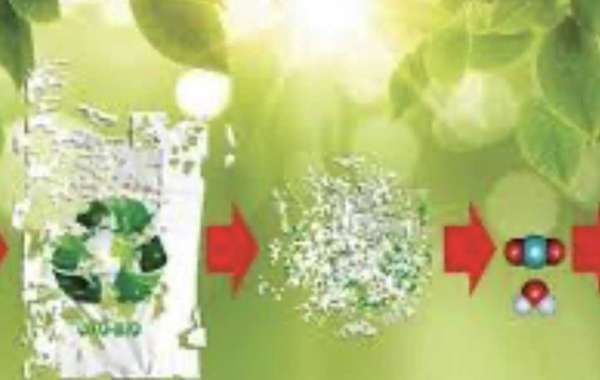
They degrade into water, biomass, and CO₂ (or methane under anaerobic conditions), significantly reducing environmental impact compared to conventional plastics that persist for hundreds of years.
Click Here to Download a Free Sample Report
1.1 Types of Biodegradable Polymers
Category | Examples | Source | Key Applications |
Natural polymers | Starch, cellulose, chitosan | Plants, seafood waste | Packaging, agriculture, medicine |
Synthetic biodegradable polymers | PLA, PHA, PBS, PBAT | Bio-based or fossil-based | Food containers, films, medical devices |
Biodegradable blends | PLA-PBAT blends, starch composites | Hybrid | Flexible packaging, bags |
Among these, PLA (Polylactic Acid) and PHA (Polyhydroxyalkanoates) are witnessing the fastest commercialization due to their favorable mechanical performance and compostability.
- Market Overview and Growth Dynamics
The biodegradable polymers market is in a high-growth phase as plastic bans intensify and sustainability becomes a global imperative. Key end-use industries include packaging, agriculture, textiles, automotive, and biomedical applications like sutures and drug-delivery systems.
Major Growth Drivers
- Plastic waste regulations and single-use plastics bans
- Corporate sustainability goals from global brands
- Rising consumer preference for eco-friendly products
- Technological innovations improving performance and cost
- Expansion in composting infrastructure for bioplastic disposal
Demand is particularly strong in Europe and North America due to stringent waste management policies, while Asia-Pacific is emerging as a manufacturing hub for cost-competitive bioplastics.
- Key Applications Transforming the Market
3.1 Sustainable Packaging
Packaging accounts for the largest share of biodegradable polymer consumption. Industries such as food and beverages, consumer goods, and e-commerce are adopting bioplastics for:
- Shopping bags
- Rigid containers
- Flexible films
- Disposable tableware
Cup coatings and multilayer films made from PLA and PBAT blends are becoming mainstream alternatives to polyethylene and polypropylene products.
3.2 Agriculture and Horticulture
Mulch films, seed coatings, and plant pots made from biodegradable materials reduce plastic buildup in soil. These polymers degrade naturally, eliminating collection and disposal costs for farmers.
3.3 Textiles and Consumer Goods
Biodegradable fibers are used in apparel, wipes, diapers, hygiene products, and footwear. As fashion brands pledge circularity, compostable fabrics gain traction.
3.4 Medical and Biomedical Devices
Biodegradable polymers are ideal for temporary implants—gradually dissolving in the body without removal surgery. Key applications include:
- Sutures
- Orthopedic screws and pins
- Tissue engineering scaffolds
- Drug-delivery carriers
3.5 Automotive and Industrial Uses
Interior parts, films, foams, and fibers made from bio-based polymers reduce vehicle weight and environmental footprint while meeting performance standards.
- Technological Innovations Shaping Progress
Research and industrial development are rapidly enhancing the functionality of biodegradable polymers.
4.1 PHA Expansion
PHAs, produced through microbial fermentation, offer full marine biodegradability, making them ideal replacements for products that often leak into oceans.
4.2 Next-Generation PLA Composites
Improvements in heat resistance, transparency, strength, and molding capability are expanding PLA’s usability beyond rigid formats into automotive and electronics.
4.3 Enzyme-Triggered Biodegradation
Advanced enzymes embedded in plastics accelerate decomposition in lower-temperature environments. This helps address challenges of landfill degradation.
4.4 Nano-reinforcement
Nanocellulose, graphene, and natural fibers are strengthening bio-polymers while maintaining biodegradation capabilities.
4.5 Bio-based Additives
Innovations in plasticizers, toughening agents, and barrier-enhancing compounds ensure biodegradable polymers compete with conventional plastics in durability and product shelf life.
- Sustainability and Circular Economy Role
Biodegradable polymers provide a dual benefit:
✔ Reduce dependence on fossil fuel resources
✔ Enable end-of-life biodegradation or composting
When combined with recycling and reuse strategies, these materials contribute to full circularity:
- ORGANIC RECYCLING → Compost becomes agricultural input
- LOWER CARBON FOOTPRINT → Helps achieve climate neutrality goals
- WASTE REDUCTION → Less environmental leakage and landfill volume
Companies are also investing in closed-loop supply chains, ensuring waste generation during production is reclaimed and reused.
- Market Challenges to Overcome
Despite strong momentum, barriers remain that must be addressed for broader adoption:
Key Challenge | Impact |
Higher cost than conventional plastics | Limits usage in cost-sensitive sectors |
Composting infrastructure gaps | Materials may degrade slowly outside industrial compost facilities |
Misconceptions about biodegradability | Incorrect disposal can hinder degradation |
Limited mechanical strength for some grades | Requires blending or reinforcement |
Raw material supply concerns | Competition between food and bioplastic crops |
Responding to these challenges requires strong collaboration between policymakers, material scientists, and industry stakeholders.
- Regional Market Insights
Europe: Leading Sustainability Adoption
Europe remains the largest market for biodegradable polymers thanks to strict regulations such as:
- EU Single-Use Plastics Directive
- Waste-to-Resource sustainability programs
Germany, France, Italy, and the U.K. are key markets, with strong focus on compostable packaging.
North America: Innovation-Driven Growth
Growing demand for compostable consumer goods and corporate sustainability goals support the U.S. and Canada market. Major brands in retail and foodservice are actively shifting to eco-friendly packaging formats.
Asia-Pacific: Manufacturing Hub
China, Japan, South Korea, and India are scaling production due to:
- Availability of agricultural feedstock
- Government bio-economy initiatives
- Increasing urban waste concerns
APAC is projected to become the fastest-growing segment as local companies increase technological capabilities.
Latin America and Middle East
Emerging biodegradable packaging initiatives are driven by tourism, foodservice, and environmental conservation programs.
- Competitive Landscape
The market consists of global polymer manufacturers, biotechnology firms, and specialized bioplastic producers. Companies are focusing on:
- Expanding production capacity
- Securing feedstock supply through bio-refinery partnerships
- Developing high-performance biodegradable blends
- Targeting high-growth segments like flexible packaging and medical devices
Collaborations with packaging converters, consumer brands, and waste management companies are critical to commercialization success.
- Future Opportunities Transforming the Market
The next decade offers significant prospects for expansion driven by:
9.1 Compostable E-commerce Packaging
The surge in online shopping demands sustainable mailers, cushioning, and films to replace petroleum-based waste.
9.2 Marine-Safe Plastics
Marine biodegradability certifications are emerging, especially for fishing gear and consumer goods likely to enter oceans.
9.3 Biodegradable 3-D Printing Materials
PLA and other bio-polymers are becoming essential in additive manufacturing due to their sustainability and ease of processing.
9.4 Smart & Functional Bioplastics
Bio-based materials with antimicrobial coatings, oxygen barriers, and intelligent sensors could serve demanding food industries.
9.5 Policy-Driven Transition
Carbon taxes, plastic reduction laws, and green procurement policies are accelerating market demand faster than ever.
If cost parity with conventional plastics is achieved, biodegradable polymers may completely redefine the global plastics economy.
- Long-Term Outlook
The market outlook is extremely promising due to accelerating sustainability commitments. Continued investment in R&D, bio-refinery scale-up, waste-to-resource systems, and international standards will further enhance consumer trust and market penetration.
As global awareness deepens, industries will increasingly view biodegradable polymers not as a premium alternative but as a necessity to ensure environmental responsibility. This transformation signals the shift toward responsible materials management and a cleaner planet.
Conclusion
The biodegradable polymers market stands as a cornerstone of the green transition. While plastics remain essential to modern life, the urgency of environmental preservation requires innovative alternatives that reduce waste without compromising performance.
Biodegradable polymers offer precisely that balance—providing functional, adaptable, and safe materials that return to nature after use. With technology advances, policy support, and growing investment, they are ready to unlock a sustainable materials revolution.
A future where plastic waste no longer threatens land, water, or wildlife is possible. Biodegradable polymers are paving the way toward that future—where ecology, industry, and innovation coexist in harmony.