
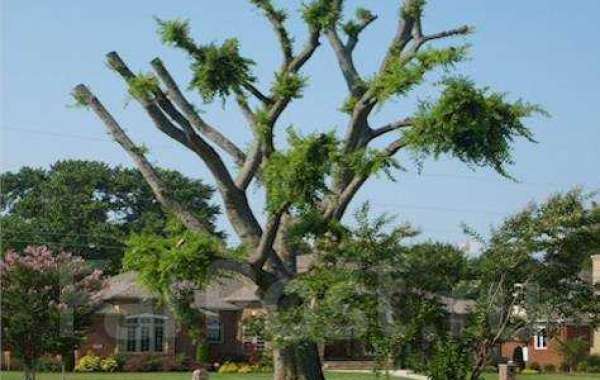
Last spring, Mrs. Lopez called us in a panic. Her oak tree had grown massive, casting shade over her garden and making her yard feel cramped. A neighbor had suggested “topping” the tree to reduce its size, but she hesitated. She had heard horror stories about trees being left unhealthy, weak, or even dying after topping.
Her hesitation was wise. Tree topping — cutting the top of a tree indiscriminately — might seem like a quick fix, but it can cause long-term harm. At Urban Tree Care, we believe in solutions that maintain both the beauty and health of your trees while protecting your yard. Let’s explore safer, smarter alternatives.
Why Topping Trees Can Be Harmful
Topping involves cutting large sections off the top of a tree without considering its natural structure. While it can reduce height quickly, it often leads to:
Weak, unstable regrowth
Increased risk of disease or pest infestation
Dead or decaying branches
Unsightly appearance
In short, it’s a short-term solution that can compromise the long-term health of your trees and your yard.
Safer Alternatives to Tree Topping
1. Crown Reduction Pruning
Instead of cutting off the entire top, crown reduction carefully trims back select branches to reduce size and maintain structure.
Benefits:
Preserves the tree’s natural shape
Reduces wind resistance and storm damage risk
Maintains healthy growth patterns
2. Crown Thinning
This technique selectively removes smaller branches and limbs to increase sunlight penetration and air circulation.
Benefits:
Lightens the canopy without shortening it drastically
Reduces risk of broken branches
Promotes overall tree health
3. Structural Pruning
For younger trees, structural pruning guides growth to strengthen the trunk and major branches. This prevents future issues with large limbs or canopy imbalance.
Benefits:
Ensures long-term stability
Reduces likelihood of costly damage
Supports a healthy, attractive yard
4. Professional Tree Assessment
Sometimes trees grow too close to structures or other landscaping features. A certified arborist can evaluate the tree and recommend a custom plan that might include partial trimming, branch removal, or careful repositioning of garden elements.
Benefits:
Avoids unnecessary cutting
Protects property and other plants
Keeps your yard looking cohesive
How Urban Tree Care Helps Homeowners
In Vallejo, CA, our team provides personalized tree care that prioritizes health, safety, and aesthetics. Here’s what sets us apart:
Certified Arborists: Knowledgeable professionals who understand local species and climate.
Precision Pruning: We trim trees with care, preserving strength and beauty.
Safety First: Our methods reduce risk of injury, property damage, or tree failure.
Long-Term Care: We offer maintenance plans to ensure your yard stays healthy year-round.
With our approach, your trees remain strong, your yard looks beautiful, and you avoid the pitfalls of topping.
Benefits of Choosing Healthy Tree Alternatives
Stronger Trees: Proper pruning promotes stability and resilience.
Enhanced Aesthetics: Your yard looks natural and well-maintained.
Reduced Risks: Lower chance of branch failure, storm damage, or disease.
Long-Term Cost Savings: Healthy trees need fewer interventions over time.
Environmental Health: Trees support local ecosystems and improve air quality.
Frequently Asked Questions
Is tree topping ever recommended?
Only in very rare emergency situations. Otherwise, it’s best to use pruning techniques that preserve the tree’s structure.
How often should trees be pruned?
Most trees benefit from pruning every 2-3 years, though high-growth species may need more frequent care.
Will pruning reduce my tree’s height significantly?
Crown reduction can lower height safely, but unlike topping, it does so gradually and without compromising stability.
How can I tell if a tree is healthy?
Healthy trees have strong, flexible branches, full foliage, and no signs of disease, pests, or deadwood.
A Soft Call-to-Action
Your yard deserves trees that are healthy, beautiful, and safe. At Urban Tree Care, we provide expert pruning, structural guidance, and ongoing care to help your trees thrive for years to come.
Contact us today to schedule a consultation and discover alternatives to topping that keep your yard and your trees looking their best.