
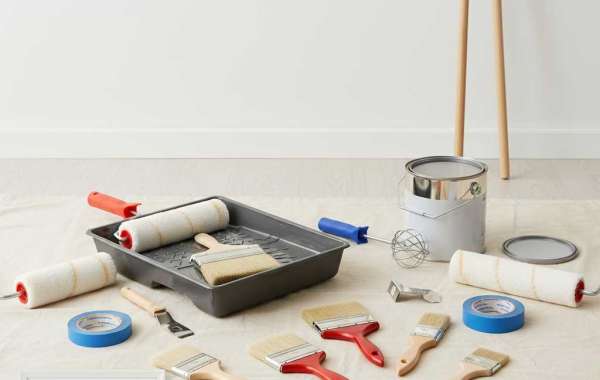
Painting is one of the most effective and affordable ways to refresh a home. Whether you’re updating a room, refinishing trim, or giving your exterior a new look, using the right painting tools ensures smooth coverage, clean edges, and long-lasting results. Stores like Irvine Carpet One offer a wide selection of high-quality tools designed for homeowners, DIY enthusiasts, and professionals alike.
This guide explores the must-have tools for painting, how to choose the right equipment, and why preparation matters just as much as application.
1. Why the Right Painting Tools Matter
A successful paint job isn’t just about choosing the right color—it’s about using tools that help you apply paint evenly and efficiently. Quality tools:
Provide better coverage
Reduce streaks and patchy areas
Improve precision on edges and corners
Allow smoother finishes
Save time and effort
Ensure fewer drips and splatters
Investing in proper painting tools helps even beginners achieve cleaner, more professional-looking results.
2. Essential Brushes for Every Painting Project
Brushes are some of the most important tools in any painter’s kit. Different brushes serve different purposes, and choosing the right type improves the final outcome.
Angled Brushes
Ideal for cutting in around trim, window frames, and edges. Their slanted shape allows for detailed strokes and cleaner lines.
Flat Brushes
Used for larger flat surfaces and areas requiring broad, smooth coverage.
Small Detail Brushes
Perfect for tight corners, intricate trim, and hard-to-reach spaces.
Synthetic vs. Natural Bristles
Synthetic bristles: Best for latex and water-based paints
Natural bristles: Best for oil-based paints
High-quality brushes hold more paint, reduce drips, and leave fewer brush marks.
3. Choosing the Right Rollers for Smooth Coverage
Rollers make painting large surfaces fast and efficient. The right roller nap (thickness) helps you achieve optimal coverage.
¼" Nap Rollers
Best for ultra-smooth surfaces like doors, cabinets, and drywall.
⅜" – ½" Nap Rollers
Great for most walls and indoor surfaces.
¾" or Higher Nap
Ideal for textured walls, stucco, brick, and rough surfaces.
Roller Frames & Extension Poles
Roller frames vary in thickness and rigidity; a sturdy one prevents wobbling. Extension poles make ceilings and tall walls easier to reach without needing a ladder.
Using the right roller ensures consistent paint distribution and reduces time spent on touch-ups.
4. Preparation Tools for a Long-Lasting Finish
Proper prep work is essential. Even the best paint can fail if the surface isn’t ready.
Sandpaper & Sanding Blocks
Smooth rough patches, remove old paint drips, and help paint adhere better.
Putty Knife & Spackling Compound
Used to fill holes, dents, and cracks in walls.
Scrapers
Remove peeling or flaking paint to create an even surface.
Cleaning Tools
Sponges, degreasers, and microfiber cloths remove dust, grease, and residue before painting.
Good preparation results in a flawless, durable finish.
5. Tapes, Coverings, and Protective Gear
Clean lines and protected surfaces help create a polished result.
Painter’s Tape
Prevents paint from bleeding onto trim, ceilings, and fixtures. Essential for beginners and professionals alike.
Drop Cloths
Protect floors, furniture, and outdoor spaces. Options include canvas, plastic, and paper coverings.
Plastic Sheeting
Great for covering appliances, windows, and large furniture pieces.
Protective Gear
Gloves to keep hands clean
Safety glasses for sanding or scraping
Masks for dust, fumes, or debris
These items make the painting process cleaner, safer, and more efficient.
6. Tools for Cutting In and Detailing
Clean edges are what make a paint job look professional.
Edging Tools
These help achieve straight lines along ceilings, trim, and corners.
Detail Brushes
Perfect for small areas or when precision is required.
Mini Rollers
Ideal for narrow spaces or tight corners where full-size rollers can't reach.
Using the right detailing tools ensures a crisp, high-quality appearance.
7. Paint Trays, Buckets, and Mixing Tools
Managing paint properly helps maintain consistency and reduces waste.
Paint Trays
Hold paint for roller use. Using tray liners makes cleanup easier.
Buckets with Pour Spouts
Help mix multiple cans of paint to avoid shade variations—especially important for large rooms.
Stir Sticks & Mixers
Keep paint blended and smooth, preventing separation or uneven application.
These tools support a seamless workflow during painting.
8. Tools for Specialized Painting Projects
Some jobs require additional tools for efficiency.
Paint Sprayers
Provide even, fast coverage—great for large areas, fencing, cabinets, or textured surfaces.
Heat Guns
Help strip old paint or speed up drying.
Caulk Guns
Used to fill gaps around trim, windows, and doors before painting.
These specialized tools offer convenience when working on advanced or large-scale projects.
9. Cleaning and Maintenance Tools
Cleaning tools ensure your equipment lasts longer and performs better.
Brush Combs
Remove dried paint from bristles and keep brushes in good shape.
Roller Cleaners
Help remove excess paint and prolong roller life.
Bucket Hooks and Storage Racks
Keep tools organized and ready for the next project.
Maintaining your painting tools saves money and helps them perform like new over time.
Conclusion
Painting is one of the most transformative home improvement projects you can take on. With high-quality painting tools, proper preparation, and the right techniques, even a DIY painter can achieve professional-level results. Stores like Irvine Carpet One provide the essential tools needed to tackle everything from detailed trim work to full-room makeovers.