
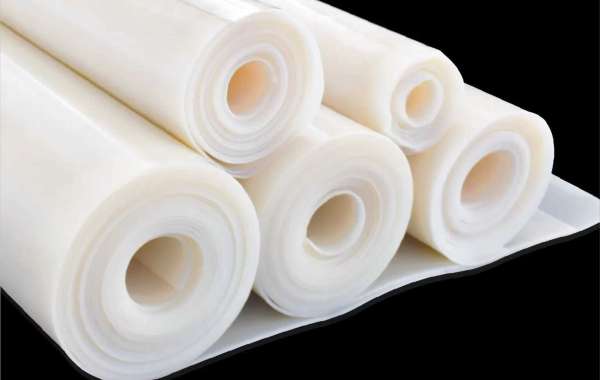
Silicones — a class of synthetic polymers composed of silicon, oxygen, carbon, and hydrogen — are pivotal to modern industry. Often known for their versatility, thermal stability, and water repellency, silicones have seen growing adoption across sectors such as automotive, construction, personal care, electronics, healthcare, and industrial manufacturing. The Silicone Market remains an integral part of the global chemical and materials ecosystem, driven by both mature applications and emerging high-performance uses.
This article provides a comprehensive view of current market dynamics, key applications, growth drivers, challenges, technological innovations, regional demand patterns, and future prospects of the global silicone market.
- Understanding Silicones: Composition and Categories
Silicones are polymers with repeating units of siloxanes (–Si–O–Si–), typically capped with organic groups. Their unique inorganic–organic hybrid structure imparts exceptional characteristics such as thermal resistance, flexibility, low surface tension, and chemical stability. Based on molecular structure and end-use, silicone products can be categorized into:
Click Here to Download a Free Sample Report
Major Silicone Types
- Silicone Fluids: Low molecular weight silicones used as lubricants, hydraulic fluids, and heat transfer mediums.
- Silicone Elastomers: Cross-linked rubbers used in sealing, gasketing, molding, and flexible components.
- Silicone Resins: Thermosetting products for coatings and surface protection.
- Silicone Gels: Used in medical devices, cushioning, and electronic encapsulation.
- Silicone Emulsions: Water-dispersible products for textiles, personal care, and coatings.
- Silicone Greases and Adhesives: Essential in automotive, aerospace, and electrical applications.
Each category serves distinctive functions, but collectively they define the broad landscape of silicone demand.
- Key Properties Driving Market Adoption
The wide industrial uptake of silicones stems from a blend of performance characteristics:
- Thermal Stability: Silicones can remain stable from sub-zero temperatures to over 200°C, enabling use in extreme environments.
- Chemical Resistance: Resistance to oxidation, UV light, and many chemicals makes silicones ideal for outdoor and industrial applications.
- Elasticity and Flexibility: Even at low temperatures, silicone elastomers retain flexibility, vital for seals, gaskets, and wearable products.
- Hydrophobicity: Silicone’s water-repellent nature supports waterproof coatings and protection layers in construction and personal care.
- Biocompatibility: Certain medical-grade silicones are safe for implants or medical devices, expanding healthcare applications.
These inherent benefits contribute to silicone’s strong competitive positioning against traditional plastics, rubbers, and other polymers.
- Global Market Size and Growth Trajectory
While exact market valuations fluctuate with raw material prices and end-use demand, the global silicone market has consistently recorded positive growth over the past decade. Demand is closely tied to macroeconomic performance in sectors such as automotive, construction, electronics, and personal care.
Factors propelling market expansion include:
- Rapid infrastructure development in emerging economies
- Electrification and lightweight materials in automotive
- Innovation in healthcare products
- Increasing adoption in high-performance electronics
- Growth in personal care and cosmetic products
Despite economic slowdowns in certain regions, silicone demand remains resilient due to its indispensable functional attributes.
- Regional Market Dynamics
4.1 Asia-Pacific (APAC)
APAC stands as the largest and fastest-growing silicone market globally. China, India, Japan, South Korea, and Southeast Asian nations drive demand across multiple frontiers:
- Construction boom and urbanization increasing use of sealants and adhesives
- Automotive production hubs requiring silicones for gaskets, sensors, and coatings
- Electronics and semiconductor manufacturing adopting silicone encapsulants and thermal interface materials
- Personal care market expansion leveraging silicones for hair care, skincare, and cosmetics
Government support for manufacturing and infrastructure augments regional market growth.
4.2 North America
North America remains a stable market, with innovation-led demand in:
- Automotive lightweighting and EV components
- Healthcare sector applications including medical-grade silicones
- Aerospace materials requiring high-temperature silicones
- Consumer goods emphasizing performance and durability
Environmental compliance and sustainability frameworks also shape material choices.
4.3 Europe
Europe’s silicone market benefits from:
- Mature automotive and construction industries
- Strong presence of specialty chemical manufacturers
- Regulatory focus on safe, high-performance materials
- Growth in renewable energy technologies requiring silicone seals and coatings
The region emphasizes sustainable materials and recycling initiatives, influencing silicone formulation strategies.
4.4 Latin America and MEA
Demand in Latin America and the Middle East & Africa is anchored in infrastructure development, industrial manufacturing, and consumer product growth. These regions present emerging opportunities as industrialization increases.
- End-Use Sector Analysis
5.1 Automotive and Transportation
Automotive applications are among the chief consumers of silicones. The shift toward electric vehicles (EVs) and lightweight components has further boosted demand for silicone-based thermal interface materials, high-voltage insulation, flexible seals, and vibration-reducing components.
Silicone’s heat resistance and electrical insulating properties make it ideal for battery systems, engine compartments, and electronic controls.
5.2 Construction and Building Materials
Silicone sealants, adhesives, coatings, and insulating materials are essential in modern construction for:
- Weatherproofing facades
- Long-lasting window and door seals
- Protective coatings against corrosion
- Thermal insulation systems
Urban expansion and green building trends continue to push silicone usage.
5.3 Electronics and Electrical
The electronics industry uses silicones for:
- Thermal interface materials (TIMs) in computer chips and power electronics
- Encapsulation and potting compounds for protecting circuits
- Flexible substrates for wearable electronics
- Adhesives and coatings for durable electronic assemblies
The transition to 5G, IoT, AI hardware, and smaller devices has intensified the need for advanced silicone materials.
5.4 Healthcare and Medical Devices
Medical silicones, known for biocompatibility, flexibility, and sterilization tolerance, find application in:
- Implants
- Catheters and tubing
- Wound care products
- Drug delivery systems
- Prosthetics
The healthcare sector’s growth, especially in aging populations, supports sustained silicone demand.
5.5 Personal Care and Cosmetics
In formulations, silicones deliver:
- Smooth texture and spreadability
- Moisture lock-in properties
- Shine and conditioning attributes in hair and skin products
Silicone derivatives such as dimethicone and cyclopentasiloxane are staples in high-end personal care portfolios.
5.6 Industrial and Consumer Goods
Silicones are used in:
- Industrial lubricants
- Household sealants
- Textile coatings
- Sports equipment
- Footwear components
Their durability and versatility make silicones a broadly adopted material across consumer and industrial goods.
- Key Growth Drivers
6.1 Technological Advancements
R&D in specialty silicones — particularly in nanotechnology, hybrid polymers, and eco-friendly formulations — enables new performance thresholds. For instance:
- Advanced thermal interface materials for high-power electronics
- Self-healing silicone coatings
- Bio-based and low-VOC silicone systems
Innovation enhances the value proposition of silicones relative to competing materials.
6.2 Sustainability Initiatives
Environmental concerns have triggered:
- Development of low-emission silicone products
- Processes that minimize waste and energy use
- Recycling initiatives for silicone end-of-life materials
Although silicones are durable, research into recyclable and sustainable lifecycle practices adds market appeal.
6.3 Urbanization and Industrialization
Growing infrastructure needs worldwide — especially in Asia, the Middle East, and Africa — sustain demand in construction, transportation, and industrial sectors.
6.4 Digital and High-Tech Economy
The proliferation of smart devices, AI hardware, and electric vehicles depends on reliable materials like silicones for thermal management, durability, and performance.
- Market Challenges
7.1 Raw Material Dependency
Silicones are derived from silicon feedstocks — primarily produced through energy-intensive processes like quartz reduction. Fluctuations in raw material availability and cost can impact the market.
7.2 Competitive Materials
Alternative polymers, elastomers, and specialty plastics sometimes compete with silicones, particularly when cost sensitivity outweighs high performance.
7.3 Environmental and Regulatory Pressures
While silicones have environmental advantages in durability and safety, regulatory scrutiny over volatile organic compounds (VOCs) and sustainability metrics influences formulation and production protocols.
- Competitive Landscape and Key Players
The silicone market comprises integrated chemical giants and specialized formulators. Leading companies typically include:
- Dow (Dow Silicones Corporation)
- Wacker Chemie AG
- Momentive Performance Materials Inc.
- Elkem ASA (Elkem Silicones)
- Huntsman Corporation (Silicone Division)
- Shin-Etsu Chemical Co. Ltd.
- KCC Corporation
These players compete based on technological innovation, product portfolio breadth, regional footprint, and value-added service offerings.
Smaller and regional producers also play roles in niche applications and localized markets.
- Recent Trends and Innovations
9.1 Smart and Functional Silicones
The emergence of silicones with embedded functionalities — such as conductivity, sensing capability, or self-healing — opens doors to next-generation applications in wearable tech and smart infrastructure.
9.2 Bio-Based and Sustainable Solutions
Biotechnology platforms are exploring silicone precursors derived from renewable sources, as well as biodegradable silicone composites.
9.3 Additive Manufacturing Integration
Silicone 3D printing materials are evolving, enabling complex, custom parts for healthcare, aerospace, and tooling applications.
9.4 Digital Supply Chain and Analytics
Industry 4.0 integration in silicone manufacturing enables real-time monitoring, predictive maintenance, and optimized production planning — improving quality and reducing downtime.
- Future Outlook and Market Projections
Projected trends indicate continued growth in the global silicone market, supported by:
- Expansion of electric and autonomous vehicles
- Increased electronics performance demands
- Growing healthcare infrastructure and medical devices sector
- Construction and industrial investments in emerging economies
- Rising consumer demand for high-performance personal care products
While short-term fluctuations may occur due to economic cycles or raw material price shifts, long-term fundamentals remain strong.
Conclusion
The Silicone Market stands at a crossroads of traditional industrial demand and cutting-edge technological applications. From infrastructure to high-tech electronics, silicones deliver value where performance, durability, and versatility matter. Challenges related to sustainability, raw material costs, and competing materials persist, but continuous innovation and expanding end-use adoption reinforce the market’s growth trajectory.
For businesses, investors, and industry professionals, understanding silicone’s multi-sector impact and evolving dynamics is essential to navigating both present opportunities and future pathways.