
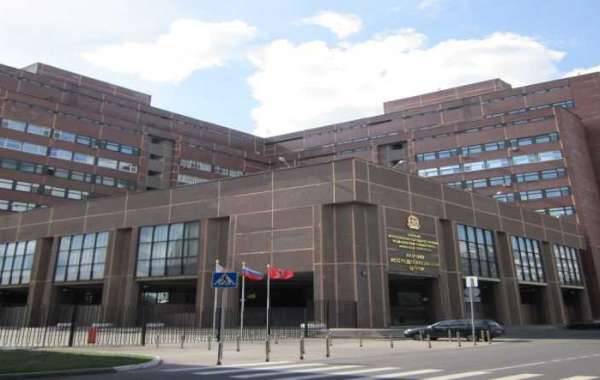
Pursuing an MBBS in Iran for medical students has emerged as a cost-effective and academically strong option for those who want quality medical education combined with excellent clinical exposure. In recent years, Iran has gained the attention of Indian students because of its government-regulated medical universities, affordable fee structure, and hospitals that offer extensive hands-on training. For students who are unable to secure government MBBS seats in India or do not wish to pay the extremely high fees of private medical colleges, Iran presents a balanced alternative that focuses on both affordability and medical competence.
Iran has a long and respected history in the field of medicine and healthcare. Its medical education system is regulated by the Ministry of Health and Medical Education, ensuring uniform academic standards across universities. Iranian medical universities emphasize disciplined academics, research-based learning, and early clinical exposure, which helps students develop strong diagnostic and practical skills. For Indian students, this approach provides a solid foundation for future medical practice in India or abroad.
Why MBBS in Iran Is Considered Low-Cost
One of the strongest reasons students choose Iran is the affordability of medical education. Unlike private medical colleges in India, MBBS in Iran does not involve donation or capitation fees. Tuition fees are comparatively lower, and the overall cost of living is manageable for international students. Government-funded universities and subsidized education policies help keep expenses under control, making Iran accessible to middle-class families.
In addition to tuition fees, hostel accommodation, food, and transportation are reasonably priced. This allows students to complete their MBBS without placing excessive financial pressure on their families, while still receiving education from reputed institutions.
Strong Clinical Exposure in Iranian Medical Universities
Clinical exposure is one of the biggest strengths of studying MBBS in Iran. Teaching hospitals attached to Iranian medical universities handle a large number of patients daily. This high patient inflow allows students to gain real-world clinical experience from an early stage of their education.
Students actively participate in ward rounds, patient case discussions, diagnostic procedures, and supervised clinical practice. Rather than limited observational learning, Iranian medical education emphasizes hands-on involvement, which helps students build confidence, clinical judgment, and decision-making skills. This strong exposure is especially beneficial for Indian students preparing for licensing exams and real-world medical practice.
MBBS Duration and Course Structure in Iran
The MBBS program in Iran generally spans 7 years, which includes 5 to 5.5 years of academic education followed by 1 to 1.5 years of compulsory clinical internship. The course is designed to gradually transition students from basic medical sciences to advanced clinical practice.
In the initial years, students focus on understanding the human body and core medical concepts. As the program progresses, greater emphasis is placed on disease mechanisms, diagnostics, and patient management. The final phase is heavily clinical, where students spend most of their time in hospitals under the supervision of experienced doctors.
MBBS Syllabus and Teaching Methodology
The MBBS syllabus in Iran follows international medical education standards and is suitable for Indian licensing requirements. Students begin with pre-clinical subjects such as anatomy, physiology, histology, and biochemistry. These subjects help build a strong scientific foundation.
The para-clinical phase includes pathology, microbiology, pharmacology, forensic medicine, and community medicine. In this stage, students learn about disease processes, diagnostic tools, and treatment principles. The clinical phase covers major disciplines such as medicine, surgery, pediatrics, gynecology and obstetrics, orthopedics, ENT, ophthalmology, psychiatry, radiology, and anesthesiology.
Teaching methods include lectures, laboratory practicals, case-based learning, clinical demonstrations, ward postings, and continuous assessments. This integrated approach ensures students are well-prepared academically and clinically.
Medium of Instruction and Language Support
Many medical universities in Iran offer MBBS programs in English medium for international students, particularly during the pre-clinical and para-clinical years. This is a major advantage for Indian students, as it eliminates language barriers in academic learning.
During clinical training, students are gradually introduced to basic Persian (Farsi) medical terminology to help them communicate with patients. This language support enhances clinical interaction without affecting academic performance and helps students adapt smoothly to hospital environments.
Eligibility Criteria for Indian Students
Indian students applying for MBBS in Iran must meet the eligibility requirements set by Iranian universities and Indian medical authorities. Students must have completed Class 12 with physics, chemistry, and biology as compulsory subjects. A minimum of 50% marks in PCB is required for general category students, while 40% marks may be applicable for reserved category candidates. Qualifying the NEET examination is mandatory, and the minimum age requirement is 17 years by the end of the admission year. No additional entrance exams or English proficiency tests such as IELTS or TOEFL are required.
Admission Process for MBBS in Iran
The admission process for MBBS in Iran is straightforward and transparent. Students select a recognized medical university and submit their academic documents, passport copy, and NEET scorecard. After document evaluation, the university issues a provisional admission or invitation letter. Students then apply for a student visa and, once approved, travel to Iran to complete enrollment formalities.
Admissions are primarily based on academic eligibility and NEET qualification, making the process simpler and less stressful compared to entrance-exam-heavy systems.
Top Medical Universities in Iran
Iran has several reputed government medical universities known for academic excellence and strong clinical training. Popular choices among Indian students include Tehran University of Medical Sciences, Shiraz University of Medical Sciences, Isfahan University of Medical Sciences, and Golestan University of Medical Sciences. These universities are government-funded, equipped with modern hospitals, and known for strong patient exposure.
Recognition of MBBS Degree from Iran
MBBS degrees from Iran are globally recognized and listed in international medical directories. The degree is recognized by the National Medical Commission, listed in the World Directory of Medical Schools, and acknowledged by the World Health Organization. This recognition allows graduates to practice in India after clearing the NExT examination and pursue medical careers in other countries after qualifying the respective licensing exams.
Career Opportunities After MBBS in Iran
After completing MBBS in Iran, Indian students can return to India and practice medicine after clearing NExT. Many graduates pursue postgraduate studies in India or abroad, while others appear for international licensing exams such as USMLE or PLAB to build careers in countries like the USA or UK. The strong clinical foundation gained in Iran prepares students well for diverse healthcare systems.
Conclusion
MBBS in Iran offers Indian students a rare combination of low-cost education and strong clinical exposure. With affordable fees, English-medium instruction, government-regulated universities, and high patient-flow hospitals, Iran provides a practical and academically sound pathway for aspiring doctors. For medical students seeking quality education without the financial burden of private colleges in India, studying MBBS in Iran stands out as a smart, reliable, and future-focused choice.