
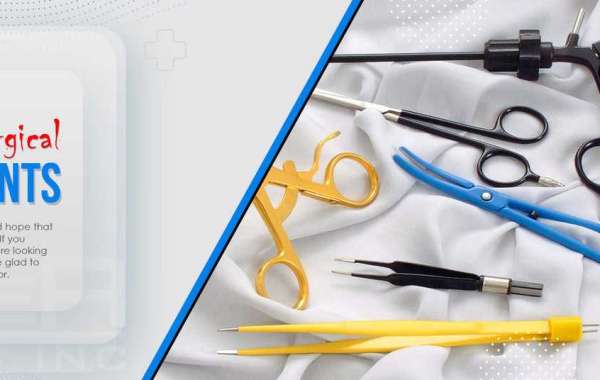
In healthcare settings, the availability of high-quality surgical supplies and medical equipment is crucial for ensuring effective patient care, reducing operational delays, and enhancing overall workflow. For healthcare professionals—whether they are doctors, nurses, surgeons, or hospital administrators—it is essential to understand the role and functions of a surgical supply store and a medical equipment shop. These establishments not only provide the necessary tools and equipment but also contribute to the efficiency and safety of healthcare facilities.
This article explores what healthcare professionals need to know about these essential suppliers and how to make the best use of their services.
1. Understanding the Role of Surgical Supply Stores and Medical Equipment Shops:
A surgical supply store and a medical equipment shop play distinct but complementary roles in providing the medical tools and resources necessary for healthcare facilities to function smoothly. While both focus on supplying the necessary equipment, their scope can vary:
- Surgical Supply Store: These stores primarily focus on providing disposable items, tools, and instruments required for surgical procedures. They stock items like scalpels, sutures, gloves, surgical drapes, masks, sterile dressing, and various other consumables used in the operating room.
- Medical Equipment Shop: This shop deals with more complex, often higher-cost items such as diagnostic equipment, surgical machines, anesthesia devices, defibrillators, monitoring systems, and other durable medical equipment that hospitals and clinics rely on for patient care and surgery.
For healthcare professionals, knowing which supplier to approach for specific needs is essential. Working with both types of suppliers ensures that a healthcare facility is well-equipped for a wide variety of medical procedures.
2. Quality Assurance and Compliance:
Healthcare professionals must be aware that the quality of medical products directly impacts patient safety and outcomes. A reliable surgical supply store and medical equipment shop will adhere to strict standards of quality control and regulatory compliance. When purchasing from these stores, healthcare professionals should ensure that the following criteria are met:
- Certification and Regulatory Compliance: Reputable suppliers will offer products that are certified by relevant health authorities, such as the U.S. Food and Drug Administration (FDA), European Union (EU) CE standards, or ISO certifications. These certifications ensure that the products have undergone rigorous testing and meet safety standards.
- Product Tracking: Trustworthy suppliers provide traceability for their products. In the event of a recall or issue with a particular batch, it is important to be able to trace the origin and distribution of the equipment to maintain patient safety.
Healthcare professionals must ensure they are procuring items that meet the necessary standards to protect patients and reduce the risk of using substandard products.
3. Reliability and Timeliness of Delivery:
For healthcare facilities, especially those dealing with emergencies or complex surgeries, timely delivery of medical supplies and equipment is essential. A delay in receiving crucial items can lead to disruptions in procedures, increased stress for medical teams, and, ultimately, negatively affect patient outcomes.
- Fast and Reliable Delivery: A trusted surgical supply store and medical equipment shop will have an efficient supply chain and delivery system, ensuring that hospitals and clinics receive their orders promptly. This is particularly important for hospitals that need to replenish supplies quickly or require emergency equipment.
- Regular Stock Updates: Healthcare professionals should work with suppliers who offer consistent stock levels and real-time updates about product availability. In the case of unexpected shortages, it’s vital that the store communicates this early so that alternate arrangements can be made.
Having a reliable partner who can respond quickly to urgent needs is essential in keeping healthcare operations running smoothly.
4. Inventory Management and Cost Efficiency:
Proper inventory management is key to maintaining an efficient healthcare facility. Surgical supply stores and medical equipment shops can help healthcare professionals and administrators streamline their inventory processes:
- Automated Restocking: Some suppliers offer automated inventory systems that track usage rates and help anticipate the need for replenishment. These systems reduce the likelihood of running out of essential items and minimize the chances of overstocking, which can lead to unnecessary costs and wasted resources.
- Bulk Discounts and Cost Control: Purchasing medical equipment and surgical supplies in bulk often comes with significant cost savings. Many surgical supply stores and medical equipment shops offer discounts for large orders, helping healthcare professionals control costs while ensuring that their facility is fully stocked.
Healthcare professionals, particularly those in managerial or procurement roles, should prioritize building long-term relationships with suppliers who can offer bulk purchasing discounts and customized inventory solutions to streamline operations and reduce expenses.
5. Equipment Maintenance and Support Services:
For medical equipment, it’s not just about the purchase but also about ongoing maintenance and support. Medical equipment shops typically provide additional services that are crucial for the longevity and proper functioning of expensive equipment:
- Preventive Maintenance: Reputable suppliers will offer preventive maintenance packages for medical equipment, ensuring that devices like ventilators, defibrillators, and surgical machines are regularly serviced. This helps extend their lifespan, reduces the risk of breakdowns, and ensures compliance with regulatory standards.
- Technical Support and Troubleshooting: Healthcare professionals need to be aware of the after-purchase support available. Trusted suppliers provide 24/7 technical support, which is especially important when dealing with high-tech equipment that may need urgent troubleshooting or repairs.
For any critical equipment, hospitals must ensure they are working with suppliers who offer adequate support services and preventive maintenance to keep machines functioning at their best.
6. Customization and Specialized Products:
Healthcare professionals often deal with patients who have specific needs. For example, surgical teams may require instruments that are custom-designed or tailored to a particular procedure. Similarly, certain medical devices may need to be adapted for use in specialized medical fields.
- Customization Options: Many suppliers offer customizable surgical tools or equipment that can be tailored to a hospital’s specific needs. For instance, a supplier might provide specialty surgical instruments or custom-made diagnostic equipment for unique patient conditions or surgery types.
- Specialized Products: Healthcare professionals should be aware that some surgical supply stores and medical equipment shops offer specialized products for niche medical fields such as orthopedics, cardiology, or pediatrics. These suppliers can source specific equipment or provide solutions for rare medical conditions.
Having access to customized and specialized products allows healthcare professionals to provide more precise care for patients with unique medical requirements.
7. Training and Education:
A vital part of integrating new equipment into a healthcare facility is ensuring that staff are adequately trained to use the tools. Some surgical supply stores and medical equipment shops offer training services to ensure that medical professionals can effectively use their products:
- Training Programs: Reputable suppliers often offer in-depth training sessions for hospital staff. This is particularly important for high-tech medical devices, such as surgical robots or diagnostic imaging equipment. Proper training ensures that healthcare providers can operate the equipment efficiently and reduce the risk of errors.
- Product Education: Healthcare professionals should make use of educational materials provided by suppliers, including manuals, videos, and online tutorials. Staying informed about the proper use and potential limitations of products helps ensure they are used correctly and optimally.
Conclusion:
Surgical supply stores and medical equipment shop are integral to the healthcare ecosystem. Healthcare professionals need to understand the value that these suppliers bring—not only in terms of providing quality products but also in offering logistical support, training, maintenance services, and cost-efficient solutions. By selecting trusted suppliers and maintaining strong working relationships, healthcare professionals can ensure that their facilities are always equipped with the right tools, fostering an environment that prioritizes patient care, safety, and operational efficiency.