
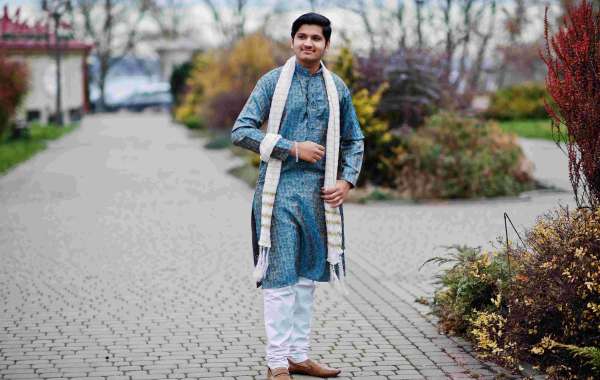
The sherwani men wedding attire represents the pinnacle of masculine elegance in Indian ceremonial dress. This regal garment, with its origins in the Mughal courts, has evolved into the quintessential choice for grooms and wedding guests across the Indian subcontinent and beyond. Combining sophisticated tailoring with intricate embroidery and luxurious fabrics, the sherwani transforms men into maharajas, commanding attention and respect at every wedding celebration.
The Royal Heritage of Sherwanis
The sherwani's history traces back to the 18th century when it emerged as court dress for nobility and aristocracy. The name itself derives from the Urdu word meaning "garment from the city," reflecting its urban sophistication. Originally worn as a practical long coat over traditional churidar pajamas, the sherwani men wedding garment has retained its dignified silhouette while adapting to contemporary fashion sensibilities.
During the British colonial period, the sherwani gained further prominence as Indian royalty and elite adopted it for formal occasions, blending Eastern aesthetics with Western tailoring techniques. This fusion created the structured, well-fitted garment we recognize today – one that flatters the male form while maintaining cultural authenticity.
Fabrics That Define Luxury
The foundation of an exceptional sherwani lies in its fabric selection. Premium silk remains the most popular choice, offering a natural sheen and luxurious drape that photographs beautifully. Banarasi silk, brocade, and Dupion silk are traditional favorites, each bringing its own character to the garment. The fabric's weight and texture influence how embroidery appears, making this choice crucial for achieving the desired aesthetic.
Velvet sherwanis have surged in popularity for winter weddings, providing warmth while radiating opulence. The deep pile of velvet creates a stunning contrast with metallic thread embroidery, making even simple designs appear rich and elaborate. Jacquard fabrics offer built-in patterns that add depth without heavy embellishment, perfect for grooms seeking understated elegance.
For destination or summer weddings, lighter fabrics like silk blends, linen, and premium cotton provide comfort without sacrificing style. These materials accept embroidery well while ensuring the groom remains comfortable throughout lengthy ceremonies and celebrations.
Embroidery Techniques and Embellishments
The embroidery work distinguishes an ordinary sherwani men wedding outfit from an extraordinary one. Zardozi, the ancient art of metal embroidery, remains the most coveted technique for wedding sherwanis. Skilled artisans use gold and silver threads to create elaborate patterns, often incorporating precious stones, sequins, and pearls for added dimension and sparkle.
Dabka work involves twisting metal threads into intricate designs, creating raised textures that catch light magnificently. This technique requires exceptional skill and significantly increases the garment's value and visual impact. The shimmer created by dabka embroidery is perfect for evening ceremonies and reception celebrations.
Resham (silk thread) embroidery offers colorful detailing possibilities, allowing for multicolored designs that can incorporate family crests, floral motifs, or geometric patterns. Many modern grooms choose sherwanis with subtle resham work on rich fabrics, creating sophisticated looks that don't overwhelm.
Threadwork, stonework, and sequin embellishments can be combined to create contemporary designs. Popular motifs include paisley patterns, florals, vines, architectural elements, and even personalized designs that reflect the groom's interests or family heritage.
Styles and Silhouettes
The classic sherwani men wedding style features a knee-length coat with a Nehru collar, buttoned down the front, worn over churidar pajamas and a dupatta. However, contemporary variations have expanded the options considerably.
The Indo-Western sherwani blends traditional silhouettes with Western cuts, sometimes incorporating lapels or asymmetric closures. These fusion pieces appeal to modern grooms who want to honor tradition while expressing individual style.
Jacket-style sherwanis feature shorter lengths, falling at mid-thigh rather than knee-length. This contemporary cut works particularly well for reception celebrations, allowing greater freedom of movement while maintaining formal elegance.
Angrakha-style sherwanis feature overlap closures tied at the side, reminiscent of ancient Indian royal dress. This style flatters most body types and offers a distinctive alternative to traditional button-front designs.
Jodhpuri sherwanis combine the structured jacket of a Jodhpuri suit with traditional sherwani embellishments, creating a hybrid that works beautifully for both weddings and formal business occasions.
Color Palettes and Trends
While ivory, cream, and gold remain timeless choices for sherwani men wedding attire, contemporary grooms are embracing bolder color palettes. Deep maroon, royal blue, emerald green, and rich burgundy have become increasingly popular, especially when contrasted with gold or silver embroidery.
Pastel sherwanis in blush pink, mint green, powder blue, and champagne offer fresh alternatives for daytime ceremonies and spring weddings. These lighter shades work particularly well with modern, minimalist embroidery patterns.
Dual-tone sherwanis featuring contrasting colors for the body and accents create dynamic visual interest. Black sherwanis with gold detailing project sophisticated masculinity, while all-white ensembles embody purity and elegance for certain regional traditions.
Accessorizing Your Sherwani
The right accessories elevate a sherwani from impressive to unforgettable. The dupatta, traditionally draped over one shoulder, can be in contrasting or complementary colors with coordinating embroidery. Some grooms opt for heavily embellished dupattAs while keeping the sherwani relatively simple, creating balance in the overall look.
Traditional mojari or jutti footwear, often featuring embroidery that matches the sherwani, completes the ethnic aesthetic. For contemporary looks, dress shoes in coordinating colors work equally well.
A decorative turban (safa or pagdi) adds height and grandeur, particularly important for traditional ceremonies. These can be pre-tied or wrapped fresh, adorned with brooches, feathers, or traditional kalgi (ornamental turban jewel).
Jewelry options for men have expanded significantly, with many grooms wearing statement necklaces, brooches, cufflinks, and rings that complement their sherwani men wedding ensemble. A pocket square or decorative brooch on the collar adds subtle sophistication.
Choosing the Perfect Sherwani
Selecting your wedding sherwani requires considering several factors beyond aesthetics. The ceremony timing influences fabric weight and color choices – heavier fabrics and darker colors suit evening weddings, while lighter materials work better for daytime events.
Your body type should guide silhouette selection. Taller men can carry knee-length sherwanis beautifully, while shorter grooms might prefer jacket-style cuts that don't overwhelm their frame. Well-fitted shoulders and proper sleeve length are crucial for achieving a polished appearance.
Budget considerations vary widely, with ready-made sherwanis starting affordably while bespoke, heavily embroidered pieces can command premium prices. Custom tailoring ensures perfect fit and allows for personalized design elements that make your outfit truly unique.
Conclusion
The sherwani men wedding tradition continues to evolve while maintaining its regal essence. Whether you choose classic elegance or contemporary fusion, rich embroidery or minimalist sophistication, the sherwani ensures grooms look distinguished and memorable on their special day. This magnificent garment represents more than fashion – it embodies cultural pride, family heritage, and the significance of the wedding celebration itself, making every groom feel like the prince of his own fairy tale wedding story.