
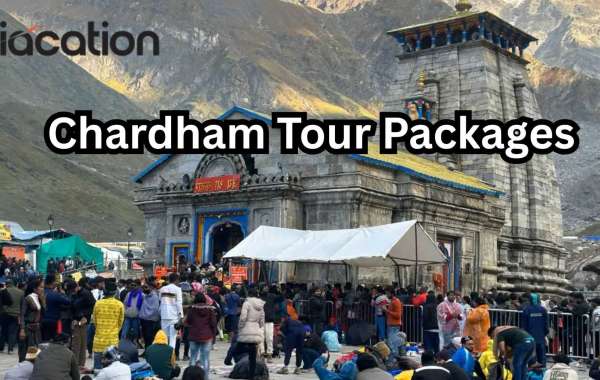
The Chardham Yatra is a sacred pilgrimage in India that attracts thousands of devotees every year. Many travelers wonder: “Can I undertake a Chardham Yatra during the monsoon or winter months?” While the journey is spiritually rewarding, the safety of Chardham Yatra Package during off-season months is a critical consideration.
In this guide, we discuss seasonal risks, road and trekking conditions, accommodation availability, and tips to safely plan your Chardham Yatra in 2026, ensuring a comfortable and fulfilling experience.
Safety of Chardham Yatra Packages:
Peak Season (May–June, September–October): Safe, smooth travel, fully operational temples and accommodation.
Monsoon Season (July–August): Risky due to landslides, heavy rains, slippery trekking paths.
Winter Season (November–February): Temples closed, roads inaccessible, heavy snowfall; travel is mostly unsafe.
Most tour operators do not offer standard Chardham Tour Packages during monsoon or winter for safety reasons.
Why Monsoon Travel Is Risky?
1. Landslides and Road Hazards
Monsoon brings heavy rainfall in Uttarakhand, causing landslides along roads to Yamunotri, Gangotri, Kedarnath, and Badrinath. Road closures are common, and vehicles may face delays or accidents.
2. Trekking Dangers
Kedarnath and Yamunotri treks become slippery and challenging.
Hiking in wet conditions increases chances of falls or injuries.
3. Accommodation Limitations
Many guest houses and dharamshalas remain closed in monsoon.
Overcrowding and lack of proper amenities can occur in budget packages.
4. Health Risks
Limited medical access in remote areas.
Risk of altitude sickness, hypothermia, and infections is higher during rainy season.
Recommendation: Avoid road-based Chardham Tour Packages in monsoon. Only specialized packages with emergency services and guided support are feasible.
Challenges of Winter Travel:
1. Temple Closures
Yamunotri, Gangotri, Kedarnath, and Badrinath temples are officially closed from November to February.
2. Heavy Snowfall
Roads are blocked due to snow at high altitudes.
Trekking becomes almost impossible without special equipment.
3. Limited Services
Hotels, dharamshalas, and transport services are mostly shut.
Emergency medical facilities and rescue options are scarce.
4. Cold and Frost Risks
Extreme low temperatures may cause frostbite or hypothermia.
Conclusion: Winter travel is unsafe for most pilgrims. Only experienced expedition groups or helicopter tours can attempt this season.
Are Off-Season Chardham Tour Packages Available?
While most operators do not run packages during monsoon or winter, a few options exist:
1. Helicopter Packages
Limited availability in late September or early March.
Provide safe access to Kedarnath and Badrinath.
Avoid trekking hazards caused by snow or rain.
2. Partial Char Dham Packages
Focus on one or two dhams, usually Kedarnath and Badrinath.
May operate during shoulder months with caution.
3. Planning Off-Season
Winter and monsoon are ideal for planning, booking, and medical preparation.
Early bookings secure accommodation and transport for peak season travel.
Why Peak Season Is the Safest Time for Chardham Yatra?
Roads are cleared and safe.
Hotels and dharamshalas are operational.
Trekking and transport services are reliable.
Experienced guides and drivers ensure smooth travel.
Most Chardham Tour Packages during peak season include emergency support, medical assistance, and contingency planning for minor weather disruptions.
Tips for Pilgrims Considering Monsoon or Winter Travel
Check Daily Weather Updates: Roads can become inaccessible quickly.
Choose Packages With Emergency Support: Ensure the operator provides backup vehicles and medical facilities.
Avoid Trekking: Opt for helicopter or shorter road travel if available.
Carry Essential Gear: Waterproof jackets, trekking shoes, warm clothing.
Travel With Experienced Guides: Avoid independent travel during risky months.
Even with precautions, monsoon and winter travel carries higher risks than peak season.
Safety vs Cost During Off-Season Travel:
Some travelers look for discounted Chardham Yatra Packages in monsoon or winter, but:
Savings are minor compared to health and safety risks.
Emergency evacuations and medical support can be costly.
Limited facilities and harsh conditions may make travel uncomfortable.
✅ Conclusion: Peak-season packages offer better safety, comfort, and overall value.
Alternative Pilgrimage Options During Monsoon and Winter:
Visit Haridwar, Rishikesh, or nearby low-altitude temples.
Spiritual retreats and ashrams offer a meaningful experience without high-altitude risks.
Helicopter-based packages in shoulder months provide partial Char Dham access.
Plan early for peak season Chardham Yatra Packages, ensuring accommodation and transport availability.
These alternatives allow pilgrims to maintain spiritual devotion without compromising safety.
Final Verdict: Are Chardham Yatra Packages Safe During Monsoon and Winter?
❌ Monsoon (July–August): High-risk, landslides, slippery treks, limited accommodations.
❌ Winter (November–February): Temples closed, roads inaccessible, extreme weather.
✔️ Peak season (May–June, September–October): Safest for road and helicopter packages.