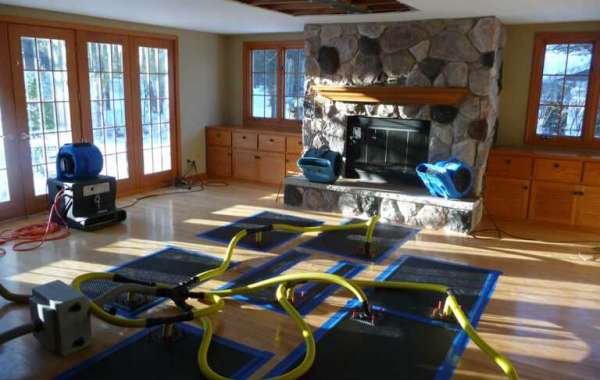
Living in a coastal community like Gig Harbor, WA brings unique advantages—scenic views, maritime climate, and close-knit neighborhoods. It also brings specific risks to residential and commercial properties. Moisture exposure, seasonal storms, aging materials, and everyday wear can gradually or suddenly affect interiors and surfaces. Understanding damage restoration as a process helps property owners make informed decisions when unexpected events occur.
This article explores how damage restoration works in a localized context, why it matters in Gig Harbor, and what property owners should know about materials, timelines, and prevention. The focus remains informational, aiming to explain the subject clearly rather than promote a service.
Understanding Damage Restoration in a Local Context
Damage restoration refers to the process of assessing, stabilizing, repairing, and returning damaged materials or spaces to a functional condition. While the concept is universal, its application varies by region due to climate, building styles, and environmental exposure.
In Gig Harbor, homes often feature stone, tile, and natural surfaces that respond differently to moisture and temperature changes. Salt air, frequent rainfall, and mild winters contribute to surface erosion, staining, and structural stress. Restoration in this area frequently addresses water intrusion, surface cracking, and smoke or fire residue from fireplaces or nearby incidents.
Common Causes of Property Damage in Gig Harbor
Water Exposure and Moisture Intrusion
The Pacific Northwest climate brings extended periods of rain. Over time, moisture can penetrate grout lines, seams, and porous stone surfaces. Bathrooms, kitchens, and basements are particularly vulnerable. Even minor leaks can cause long-term discoloration or weakening if left untreated.
Fire and Smoke Residue
While less frequent than water damage, fire-related incidents still affect local properties. Smoke particles can settle into porous materials, leaving odors and stains. Fireplaces and wood-burning stoves, common in the area, may also contribute to surface discoloration if not properly maintained.
Impact and Surface Wear
Daily use, dropped objects, and shifting foundations can cause chips, cracks, or uneven surfaces. In older Gig Harbor homes, natural settling may lead to stress fractures in stone or tile installations.
How Damage Restoration Differs From Remodeling
A common misconception is that restoration and remodeling serve the same purpose. Restoration focuses on returning existing materials to a stable and functional state. Remodeling, by contrast, involves altering or replacing materials for aesthetic or functional changes.
Restoration often preserves original materials, which can be particularly valuable in homes with custom stonework or historic elements. In many cases, restoring a surface is less invasive and maintains the character of the space.
The Role of Assessment in Restoration
Every restoration process begins with evaluation. Professionals examine the type of damage, the affected materials, and underlying causes. In Gig Harbor, this may include checking for ongoing moisture sources, ventilation issues, or material compatibility with the local environment.
Assessment also considers safety. For example, compromised flooring or countertops may pose risks if structural integrity is reduced. Identifying these factors early guides appropriate restoration methods.
Materials Commonly Restored in Gig Harbor Homes
Natural Stone and Tile
Granite, marble, and tile surfaces are common in kitchens and bathrooms. These materials are durable but porous to varying degrees. Water stains, etching, and dullness can occur without proper sealing and care.
Grout and Subsurface Layers
Damage often extends beyond visible surfaces. Grout lines may harbor moisture, leading to mold or weakening. Restoration may involve cleaning, regrouting, or stabilizing subsurface layers.
Interior Architectural Features
Fireplace surrounds, entryway floors, and bathroom vanities often require specialized attention due to their design and exposure. Restoration methods must respect both function and appearance.
Environmental Considerations in the Restoration Process
Local environmental factors influence restoration techniques. High humidity requires controlled drying processes to prevent secondary damage. Temperature stability is also important when repairing stone or tile to avoid expansion or contraction issues.
Professionals familiar with the region understand how to adapt restoration practices to these conditions, ensuring materials respond well over time.
Preventive Knowledge for Property Owners
While restoration addresses existing damage, understanding prevention reduces future risk. Simple practices such as maintaining seals, addressing leaks promptly, and monitoring humidity levels can extend the life of interior surfaces.
In Gig Harbor, ensuring proper ventilation in bathrooms and kitchens is particularly important. Regular inspections after heavy storms can also catch issues before they escalate.
Why Local Knowledge Matters
Damage restoration is not a one-size-fits-all process. Local building codes, material availability, and environmental exposure shape how restoration is approached. Working with professionals who understand Gig Harbor’s conditions helps ensure that restored materials perform well long term.
Companies like American Marble & Granite operate within this regional context, drawing on experience with local materials and climate patterns. Their work reflects an understanding of how coastal conditions affect stone and tile over time.
Damage Restoration as Part of Property Care
Restoration should be viewed as part of ongoing property maintenance rather than a last resort. Addressing damage early preserves value and reduces disruption. For homeowners and property managers, knowing when restoration is appropriate supports better decision-making.
For those seeking deeper insight into the process itself, understanding Damage Restoration as a structured approach—from assessment to stabilization—clarifies what to expect when issues arise.
The Importance of Location-Specific Awareness
Every community has its own challenges. In Gig Harbor, WA, proximity to water and consistent moisture exposure shape how materials age. Awareness of these factors empowers residents to care for their properties proactively.
Restoration knowledge is not only about fixing problems but also about understanding how environment, materials, and time interact.
Long-Term Outlook for Restored Surfaces
When properly restored, surfaces can regain both function and appearance. Longevity depends on material quality, environmental control, and ongoing care. Restoration does not eliminate future risk, but it significantly reduces vulnerability when combined with preventive measures.
For Gig Harbor residents, this means restored surfaces that withstand seasonal changes and daily use more effectively.
Frequently Asked Questions
- What types of damage are most common in Gig Harbor homes?
Water-related issues are most common due to frequent rainfall, followed by surface wear and occasional fire or smoke residue. - Is restoration always possible, or is replacement sometimes required?
Many surfaces can be restored, but severe structural damage may require partial or full replacement. - How does moisture affect stone and tile surfaces?
Moisture can cause staining, weakening, and microbial growth if it penetrates porous materials. - Can restoration address odors from smoke damage?
Yes, specialized cleaning methods can reduce or eliminate odors absorbed by porous surfaces. - How long does a typical restoration process take?
Timelines vary based on damage extent, material type, and drying requirements. - Does restoration change the appearance of original materials?
The goal is usually to preserve or closely match the original appearance. - Are older homes more susceptible to damage?
Older homes may have materials or installations more vulnerable to moisture and settling. - What role does sealing play in prevention?
Sealing reduces porosity, helping protect surfaces from stains and moisture intrusion. - Is restoration only for visible damage?
No, it often addresses underlying issues that are not immediately visible. - How can homeowners identify early signs of damage?
Discoloration, persistent odors, uneven surfaces, and recurring moisture are common indicators.