Antique Engagement Rings vs Contemporary Styles is a topic many couples explore when choosing a ring that reflects their love story. Selecting the perfect engagement ring is more than a purchase — it is a deeply personal decision that symbolizes commitment, history, and future dreams. Whether you are drawn to the romance of antique craftsmanship or the clean sophistication of modern design, understanding the differences between these styles can help you make a confident and meaningful choice.
Understanding Antique Engagement Rings
Antique engagement rings are typically defined as rings that are at least 100 years old. These rings often originate from distinct design periods such as the Victorian, Edwardian, and Art Deco eras. Each era reflects unique artistic influences, materials, and craftsmanship techniques.
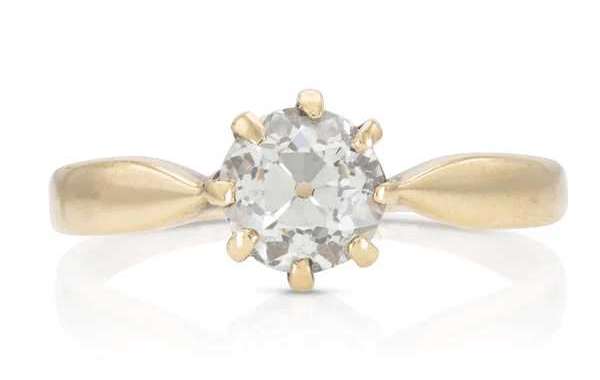
What makes antique rings truly special is their hand-crafted nature. Many antique diamonds were cut by hand, resulting in softer sparkle patterns compared to today’s precision-cut stones. You may find old mine cut or old European cut diamonds, intricate filigree detailing, milgrain edges, and hand-engraved settings that simply cannot be replicated in mass production.
Beyond aesthetics, antique rings carry history. They have survived generations, making them symbols of endurance and timeless love. For couples who value sustainability, choosing antique jewelry is also an eco-conscious decision, as it involves reusing existing precious materials rather than sourcing newly mined stones and metals.
What Defines Contemporary Engagement Rings?
Contemporary engagement rings, often referred to as modern engagement rings, reflect current trends, advanced technology, and evolving tastes. These rings are typically designed with precision-cut diamonds, sleek settings, and clean lines. Popular styles include solitaire rings, halo designs, three-stone settings, and minimalist bands.
Modern technology allows for exceptional symmetry and brilliance in diamond cutting. Round brilliant cuts, princess cuts, cushion cuts, and oval diamonds dominate contemporary collections. Additionally, today’s buyers have access to customizable designs, lab-grown diamonds, and innovative settings that prioritize both durability and style.
Contemporary rings often emphasize practicality. Settings are designed for comfort, daily wear, and long-term durability. Many couples appreciate the flexibility to personalize their rings with unique center stones, hidden halos, or mixed metal bands.
Craftsmanship: Handcrafted Heritage vs Precision Engineering
One of the most significant differences between antique engagement rings and contemporary styles lies in craftsmanship.
Antique rings were created in an era before computer-aided design. Skilled artisans crafted each detail by hand. The imperfections found in antique pieces add character and authenticity. These rings feel one-of-a-kind because they truly are.
In contrast, modern engagement rings benefit from technological advancements. Computer-aided design (CAD) ensures precision and symmetry. Stones are set with exact measurements, and finishes are polished to perfection. While modern rings may lack the irregular charm of antique pieces, they excel in structural strength and brilliance.
Choosing between the two often comes down to personal preference: do you value heritage and individuality, or sleek perfection and contemporary brilliance?
Design Aesthetics and Visual Appeal
Antique engagement rings tend to feature ornate designs. Victorian rings often include floral motifs and romantic symbolism. Edwardian rings are known for delicate lace-like platinum filigree. Art Deco rings display bold geometric patterns and contrasting stones.
These designs make antique rings visually distinctive. They often stand out in a crowd due to their intricate details and vintage character.
Contemporary styles, on the other hand, favor simplicity and clean silhouettes. A solitaire diamond on a polished band remains one of the most popular modern choices. Minimalism, symmetry, and understated elegance define many current designs.
While antique rings feel romantic and nostalgic, contemporary rings project sophistication and modern taste.
Diamond Cuts and Sparkle Differences
The sparkle of an engagement ring is influenced by how the diamond is cut. Antique diamonds were cut to maximize beauty under candlelight, resulting in softer, warmer brilliance. Old mine and old European cuts have larger facets and a romantic glow.
Modern diamonds are engineered for maximum light reflection. The round brilliant cut, developed with scientific precision, produces intense sparkle under various lighting conditions. Contemporary buyers often prioritize brilliance, clarity, and certified grading.
If you prefer subtle charm and historical character, antique diamonds may appeal to you. If you desire maximum fire and brilliance, contemporary cuts might be more suitable.
Durability and Maintenance Considerations
When comparing antique and contemporary styles, durability is an important factor. Antique rings, due to their age, may require careful inspection and occasional restoration. Prongs, settings, or delicate filigree work can be more fragile.
Modern engagement rings are typically built with stronger settings designed for everyday wear. Reinforced prongs, low-profile settings, and durable metal alloys enhance longevity.
However, with proper care and maintenance, antique engagement rings can last for many more generations. Regular professional inspections and gentle handling are key.
Investment Value and Uniqueness
Antique rings often hold collectible value, especially if they originate from a recognized design period or feature rare craftsmanship. Their rarity can make them appealing to collectors and individuals who value exclusivity.
Contemporary rings may not hold the same historical value but offer flexibility in budgeting. Buyers can select specific diamond grades, metals, and custom designs within their price range.
If uniqueness is your priority, antique rings naturally stand apart because no two are identical. Modern rings can also be customized, but many popular designs follow similar trends.
Sustainability and Ethical Considerations
Sustainability has become a significant factor in engagement ring purchases. Antique engagement rings are inherently sustainable because they reuse existing materials and reduce demand for new mining.
Contemporary buyers concerned about ethics often opt for lab-grown diamonds or ethically sourced stones. Modern jewelers provide certification and transparency regarding sourcing practices.
Both options can align with environmentally conscious values, depending on your priorities.
Which Style Is Right for You?
Choosing between antique engagement rings and contemporary styles ultimately depends on your personality and lifestyle.
You may prefer antique designs if:
You love history and vintage aesthetics.
You appreciate intricate craftsmanship.
You want a ring with character and story.
Sustainability is important to you.
You may prefer contemporary styles if:
You favor clean, minimalist design.
You want maximum diamond brilliance.
Durability for daily wear is a priority.
You enjoy customizing your ring.
There is no universally correct choice. The perfect ring is one that resonates emotionally and reflects your unique relationship.
Final Thoughts
Antique engagement rings and contemporary styles both offer exceptional beauty, symbolism, and meaning. Antique rings captivate with their heritage, artistry, and romantic charm. Contemporary rings impress with precision, brilliance, and modern innovation.
Before making your decision, consider your aesthetic preferences, lifestyle, and long-term expectations. Whether you choose a century-old masterpiece or a sleek modern design, your engagement ring should feel authentic to you — a timeless symbol of love that you will cherish for a lifetime.